
News
The Voice Actress of Lilo & Stitch Died at 35, and Hollywood Has Nothing to Say About It

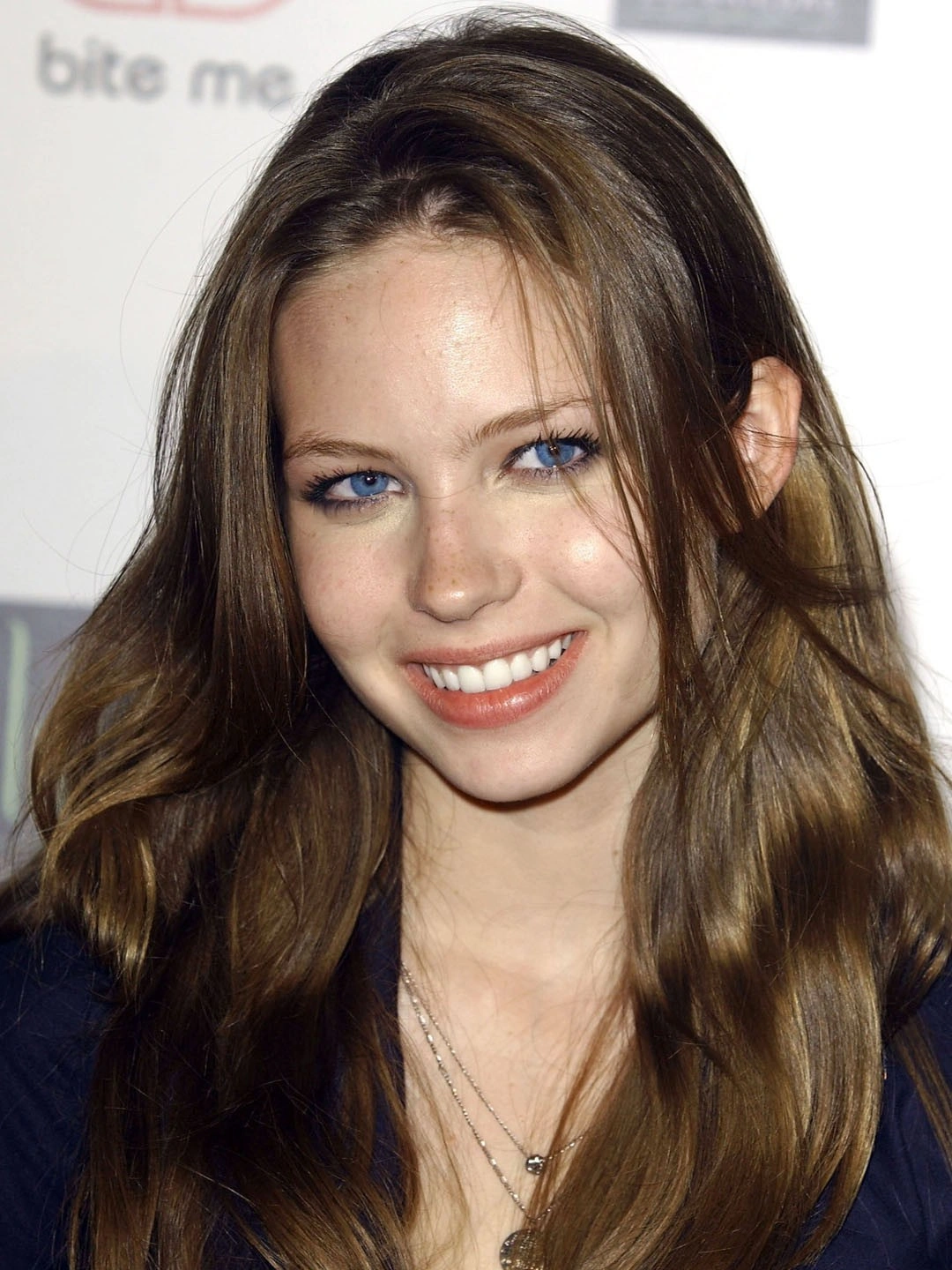
I was really interested in Daveigh Chase’s work, for lack of a better word, from the moment I first saw her. I was in my early twenties when The Ring hit theaters in 2002, and I remember being genuinely unsettled by her performance — not just by what Samara Morgan did on screen, but by how much presence a twelve-year-old actress brought to a role that could have easily become pure special effects. That same year, she voiced Lilo in Lilo & Stitch, a Disney film that my younger cousins watched on loop until the DVD wore out. And in 2001, she had already held her own in Donnie Darko, a film that would become one of the defining cult classics of its decade.
I want to give credit where it’s due. At an age when most kids are worrying about middle school, Daveigh Chase was anchoring three distinct, high-profile projects across three different genres — horror, animation, and indie science fiction. She was not simply “a child actor.” She was a performer with an unusual range, capable of making you feel protective of her (Lilo & Stitch), terrified of her (The Ring), and quietly heartbroken for her (Donnie Darko). That is not a common combination. That is the kind of talent that, in a healthier industry, would have been nurtured and guided into a long, respected career.
Instead, she died on Tuesday at age 35, from meningitis and sepsis, in a Los Angeles hospital.
I don’t want to be unfair here. Daveigh Chase did continue working after her early breakthrough years. There were television credits — Big Love, The Haunting of Sharon Tate, various voice roles. She did not simply disappear. But the trajectory that seemed so promising in 2002, the one where she became a household name and a critically acclaimed adult performer, never quite materialized. And when I look at what happened in the years between her child stardom and her death, I find it difficult to separate her personal struggles from the broader pattern of how Hollywood treats young performers.
The arrests were public. The mugshots were public. The narrative of “fall from grace” was public. What was not public — what is rarely public in these cases — was any meaningful support system, any institutional effort to help a young woman transition from child stardom into stable adulthood. The industry that had profited from her work in 2002 seemed to have little interest in her wellbeing by 2010, or 2015, or 2020.
Her boyfriend, Roy Hernandez, was the one who confirmed her death to TMZ. Her longtime manager confirmed it to the BBC. She was 35 years old.
I think it’s worth remembering what she actually gave us, rather than just how she left us. Lilo was a genuinely unusual Disney protagonist — awkward, temperamental, deeply attached to her older sister, shaped by loss but never defined by it. Samara Morgan redefined horror for a generation; the image of her crawling out of a television set became instant visual shorthand for the entire J-horror remake wave of the early 2000s. Samantha Darko was the emotional anchor of Donnie Darko, the character whose death sets the entire film’s fractured timeline in motion.
These were not small contributions. These were performances that shaped how a generation experienced film, and in the case of Lilo & Stitch, how a generation experienced family, grief, and belonging.
Daveigh Chase was good. She was really good. And she was twelve years old when she did most of it.
I wish the industry that recognized her talent had done more to protect the person behind it.


Castlevania Belmont’s Curse: How to Solve Carpenter’s Crane Sketch Puzzle

Castlevania Belmont’s Curse: How to Solve Library Jump Puzzle


